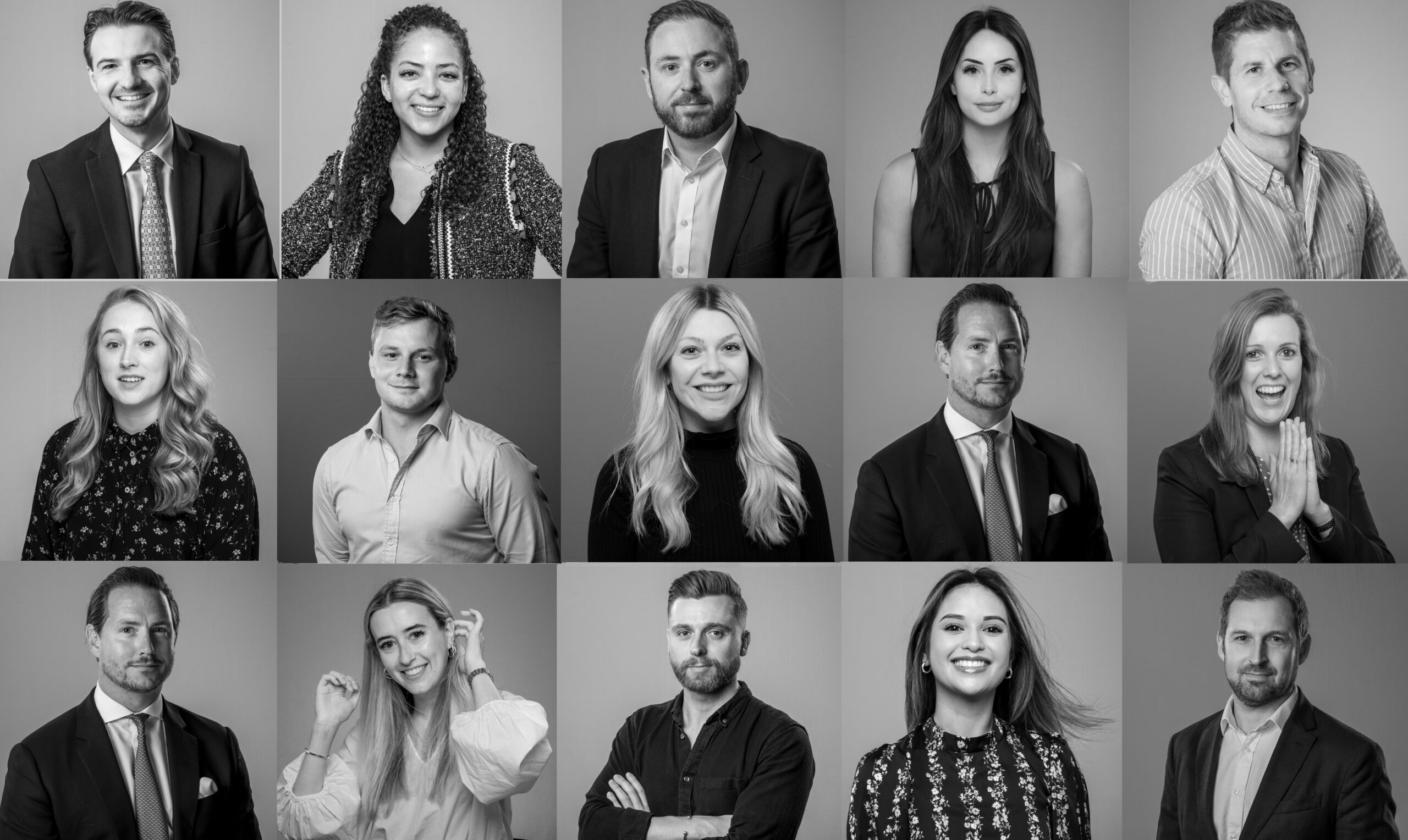
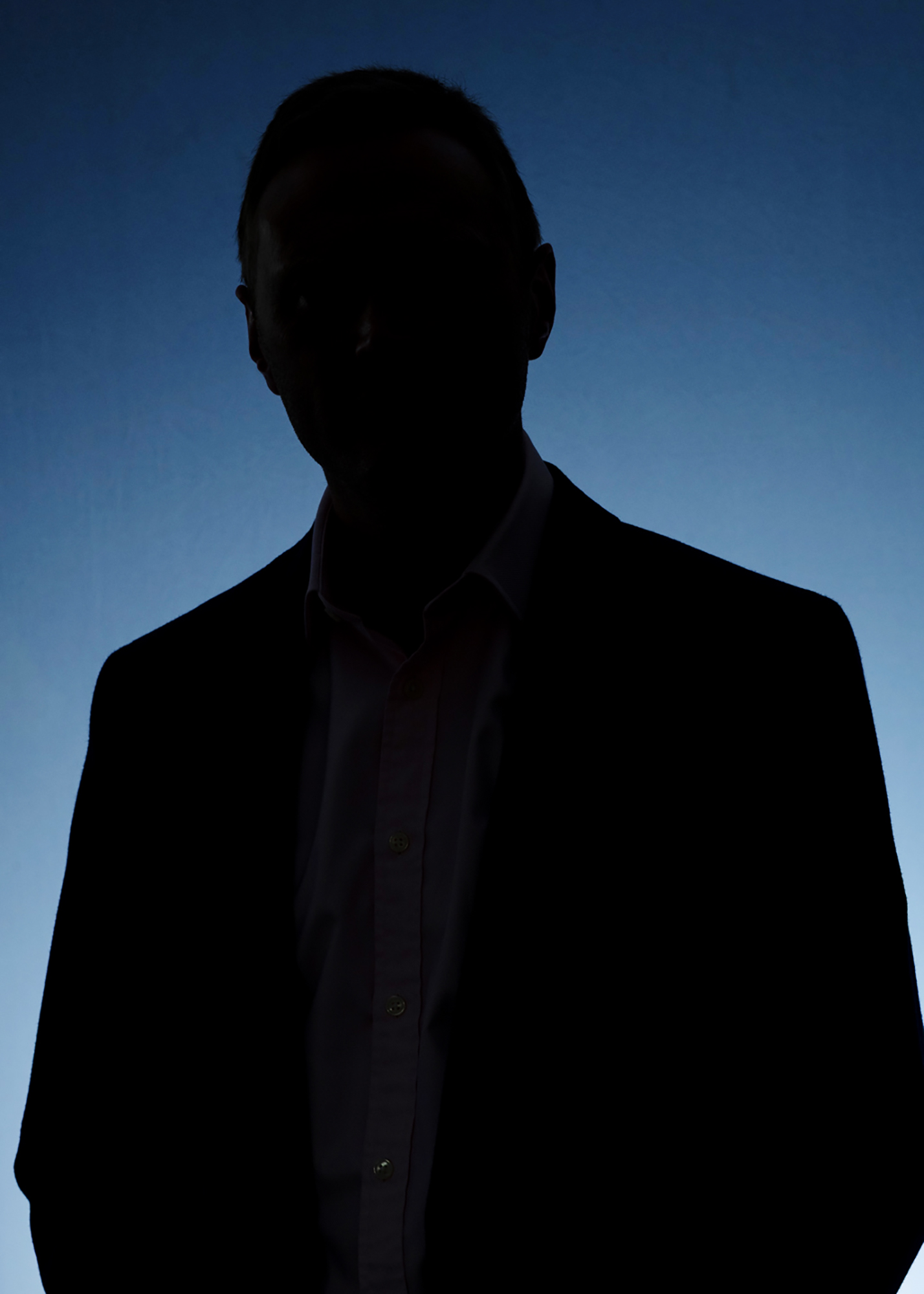
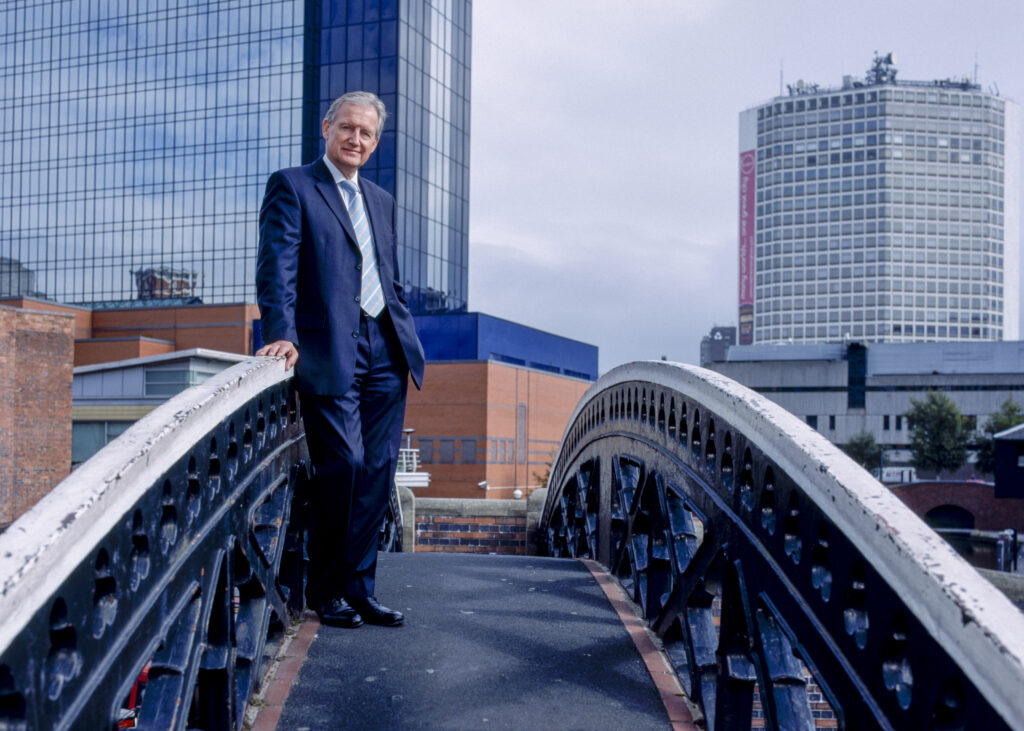
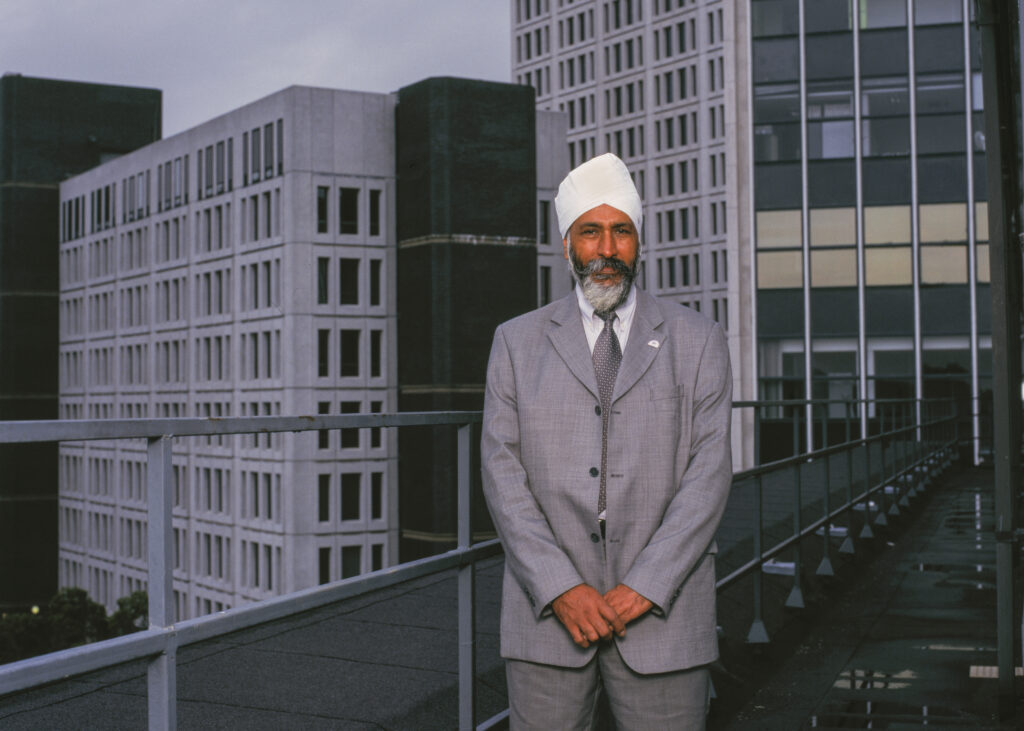
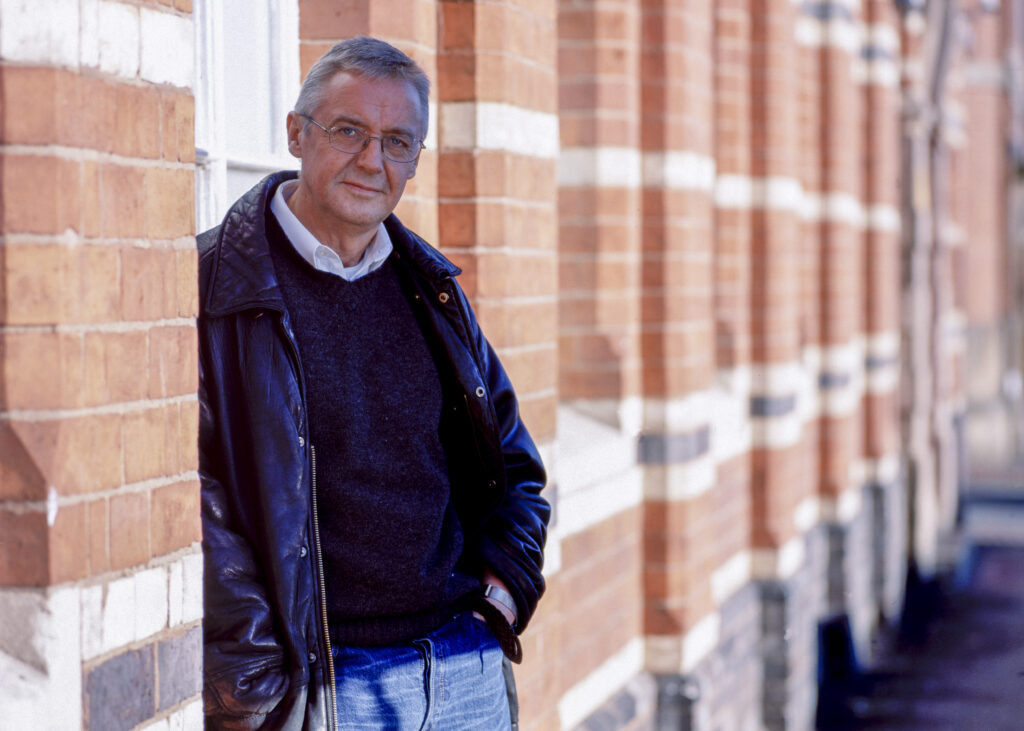
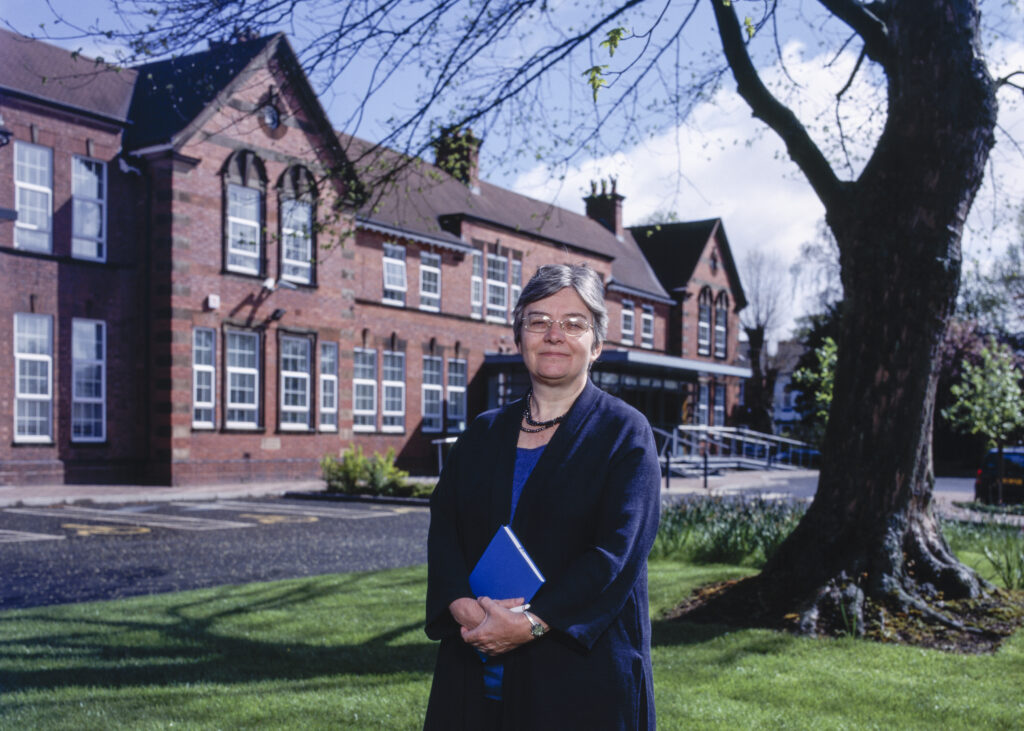
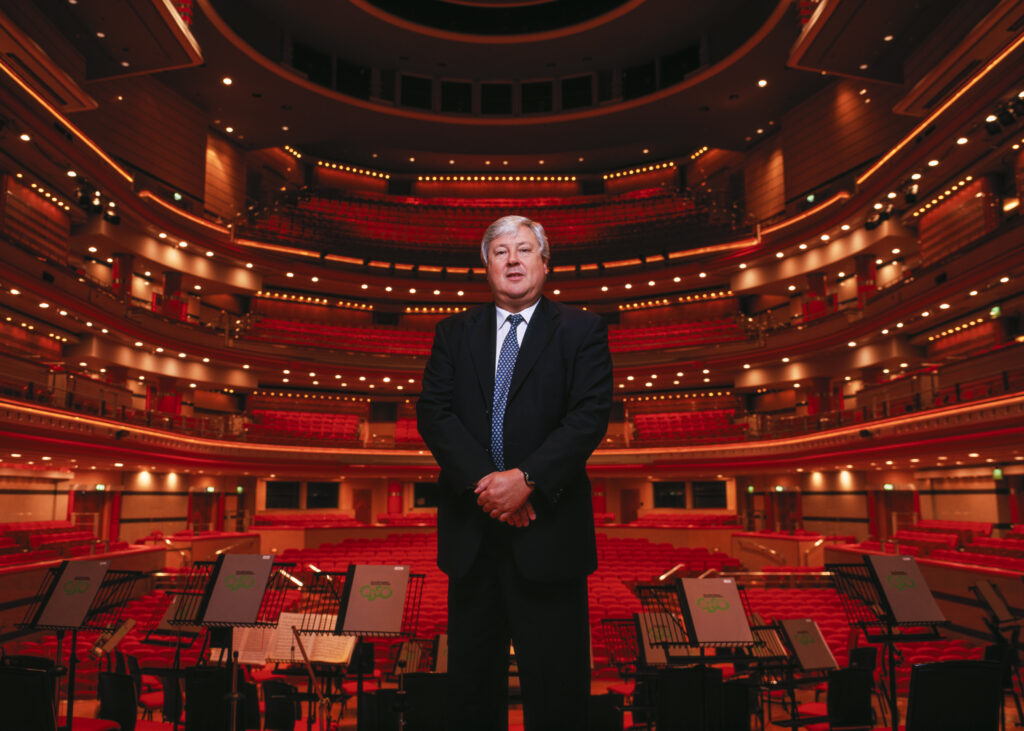
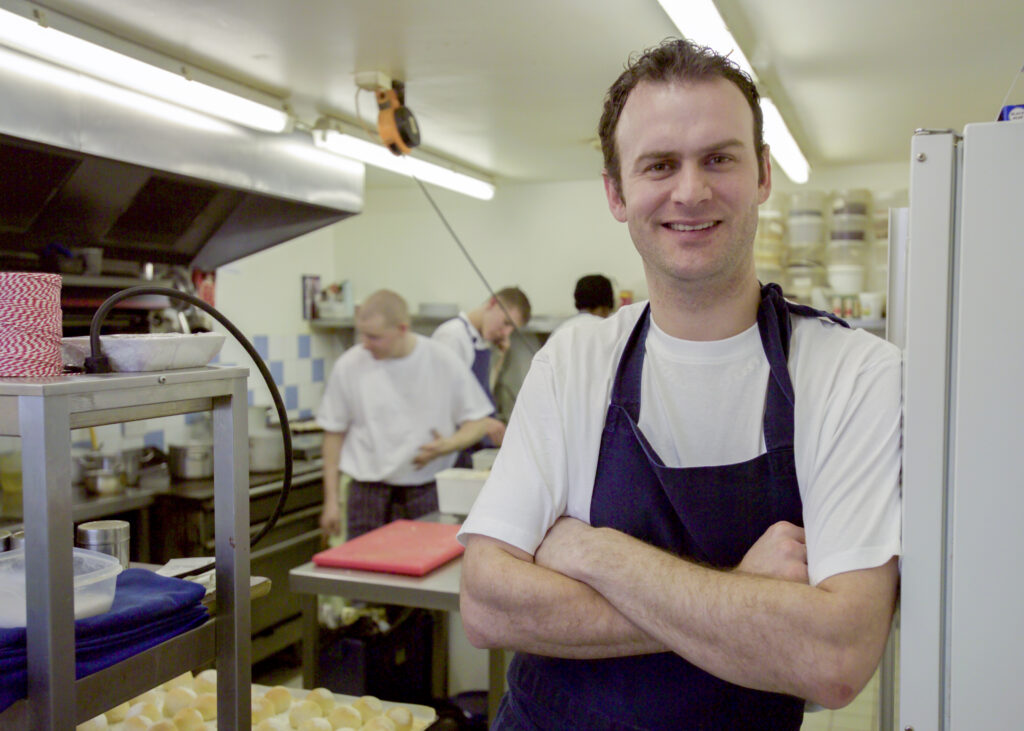
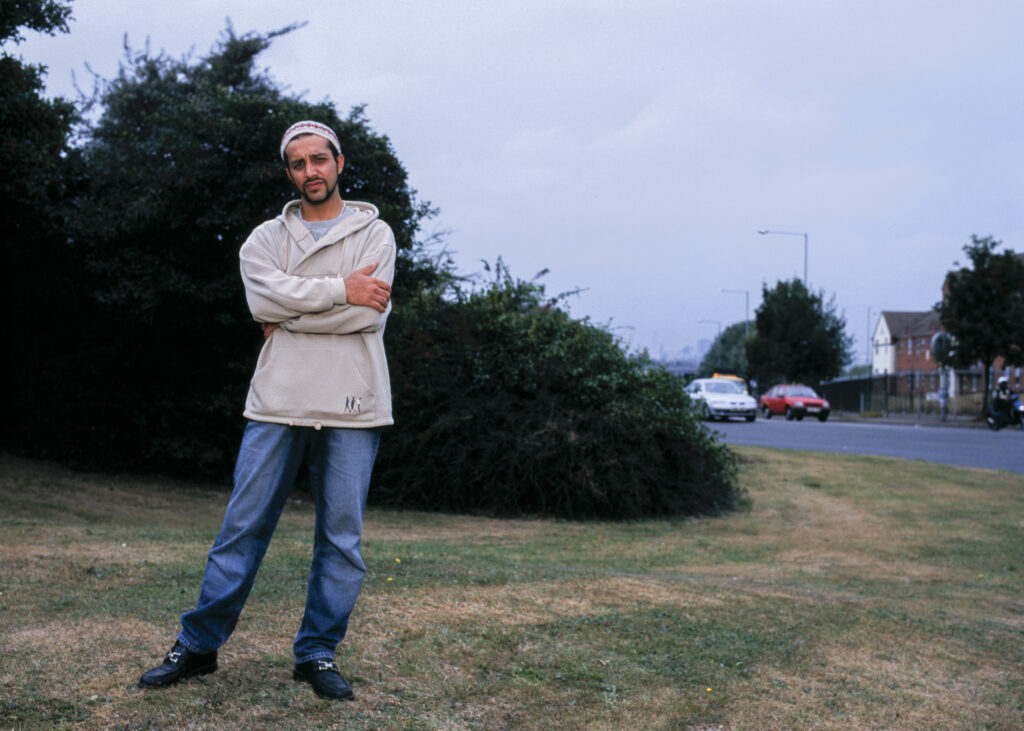
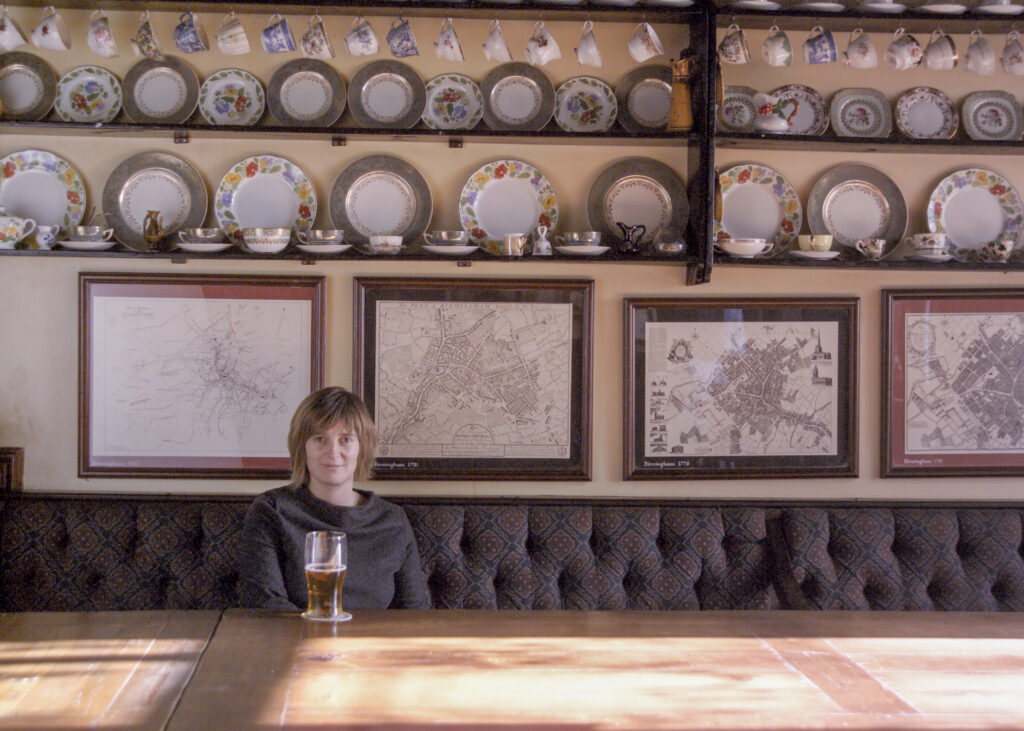
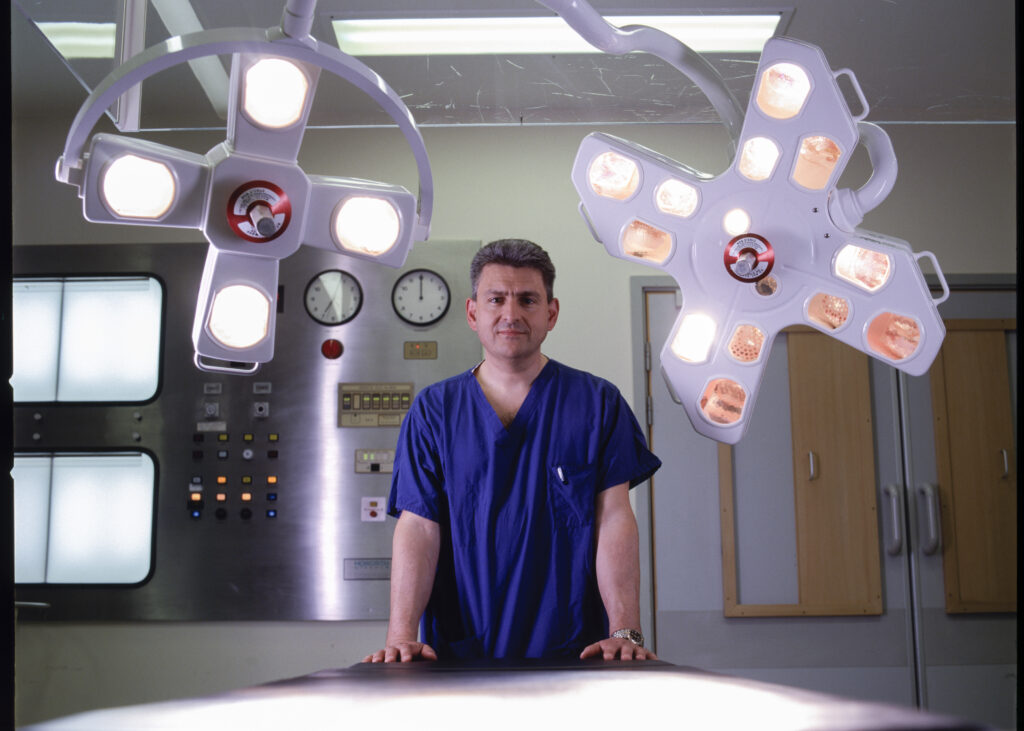
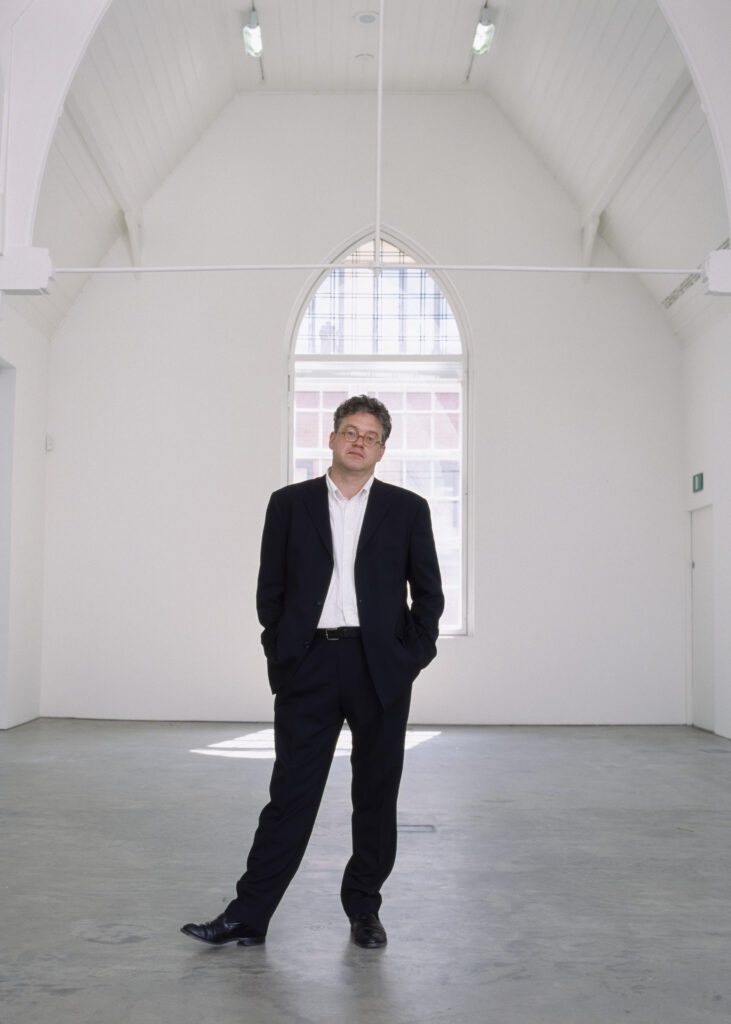
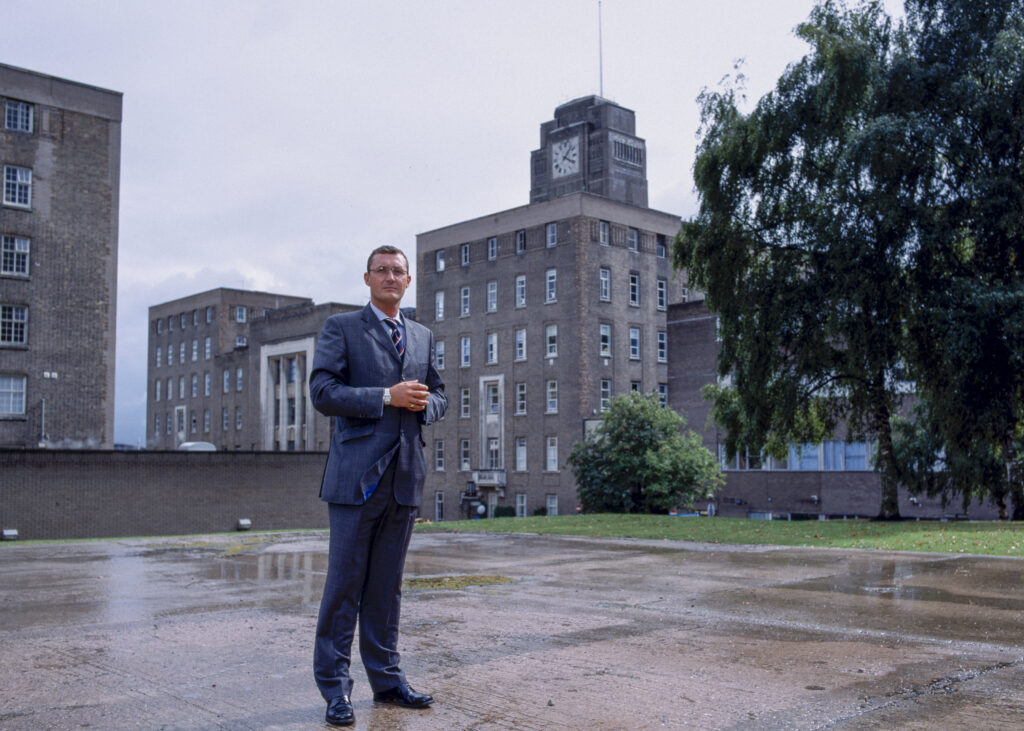
Headshots – FAQ’s

When looking for a headshot photographer in the West Midlands the common Frequently Asked Questions people ask include:

  1. How much do headshot sessions cost?

If the headshot is for the usual website and linkedin use the following cost are applicable.

I deliver a headshot for an individual at the base figure of £250. This can be at my studio or at your work location.

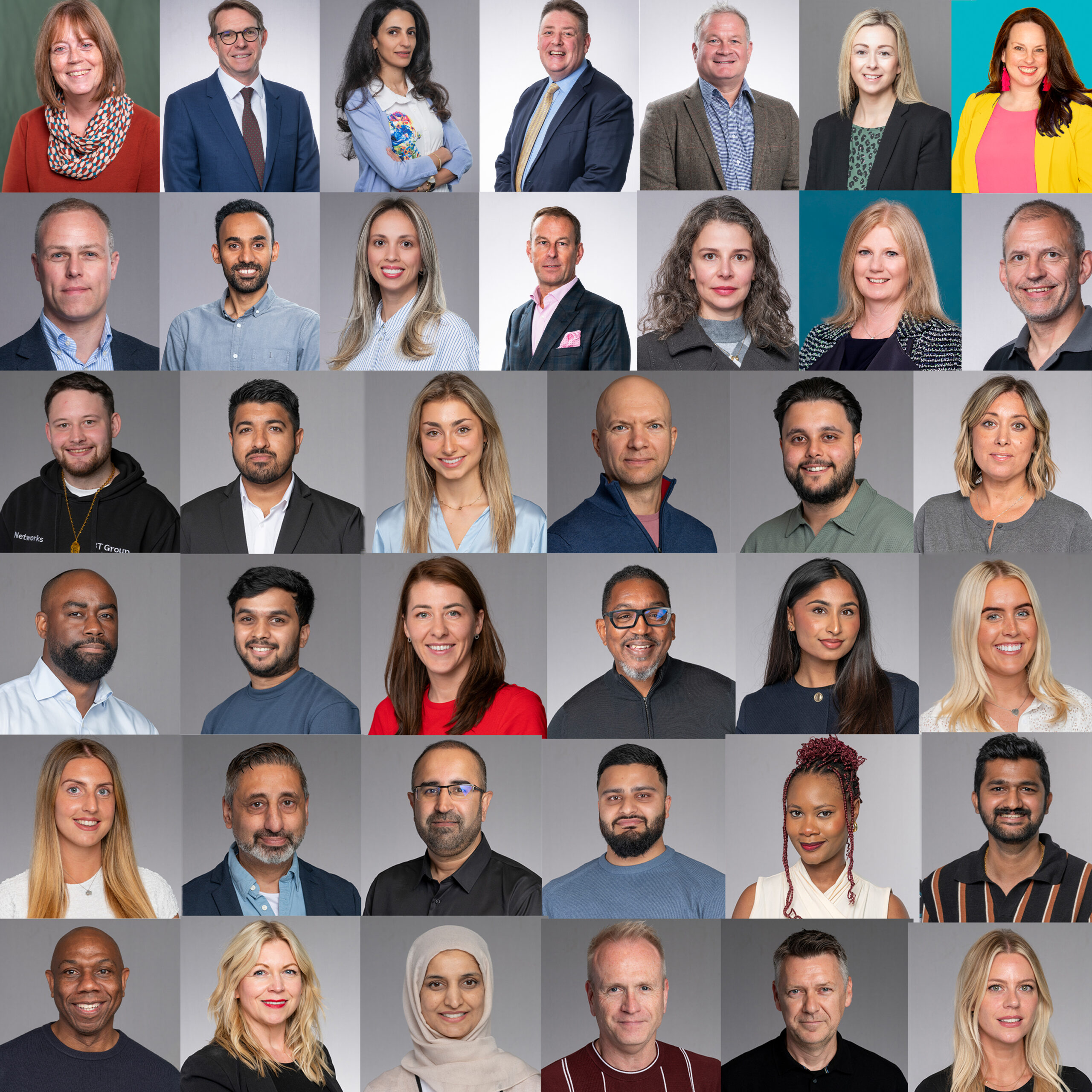
If a business requires headshots of staff I charge a minimum rate of £350 for up to 10 staff members.

For more than 10 staff a rate of £35 / per staff or if more my base day rate of £495.

All prices subject to confirmation of brand requirements and the delivery of additional retouching. Parking and congestion charges maybe charged.

These figures are a guide each job is unique and I always quote and confirm when I have spoken with the client about the exact requirements and location.

2. How long does a headshot session take?

If it is a simple shot for website or Linkedin

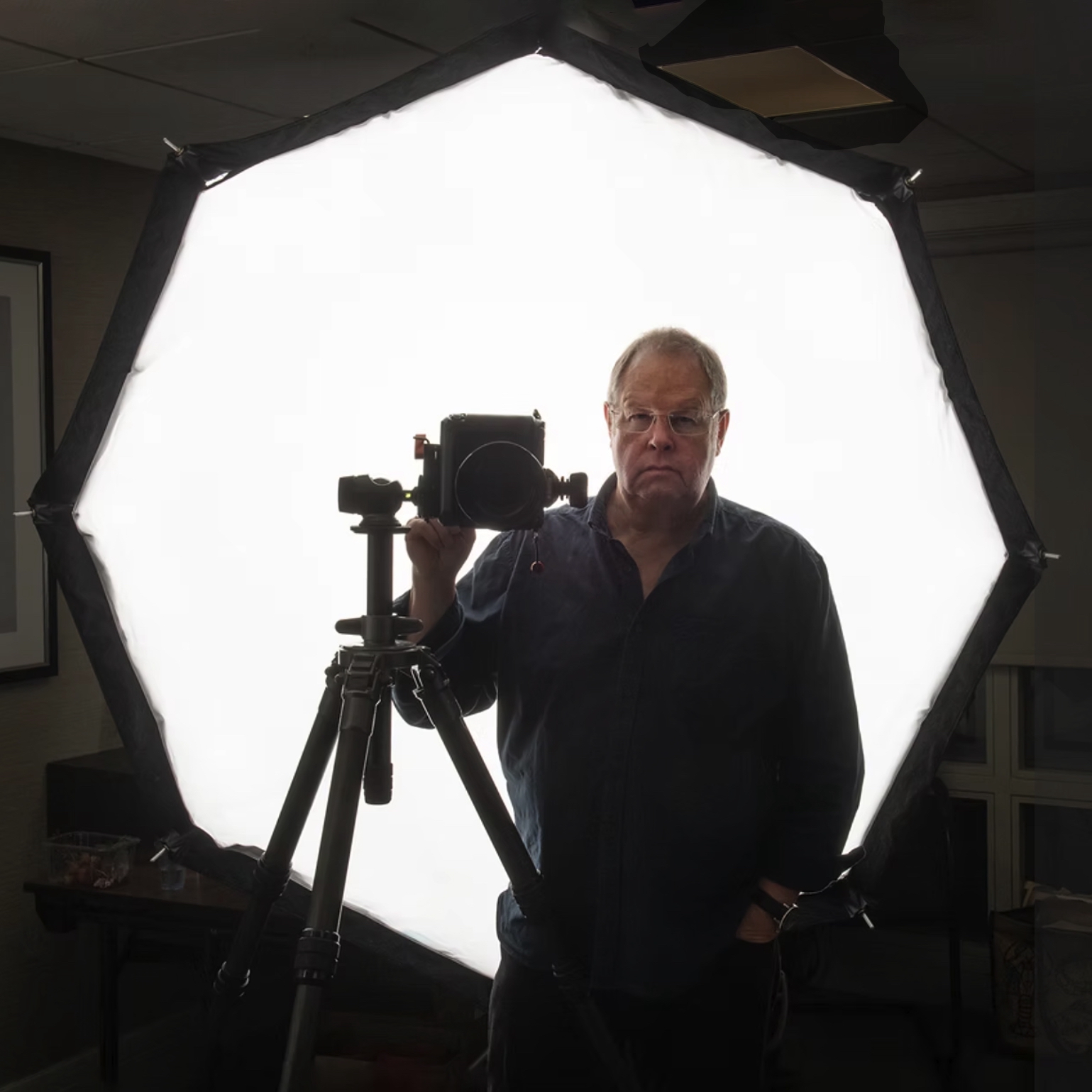
It takes usually 45minutes for me to set up  my ‘Pop Up studio’  the lights, background and ensure the space works.

I usually take 5- 10 minutes to take the picture, but ideally I have a few minutes to chat and understand the subject and if there are changes it can be an hour or two, I try not to rush the subject as it should be an enjoyable process, a happy person shall look happy.

If it is a company shoot and there are many to be photographed it maybe only a few minutes with each subject, but each job is different so it can  be 5 minutes to 2 hours.

3. Do you offer makeup and styling services?

I often work with hair and Make Up Artists, however there is a considerable additional charge for their service, certainly needed for major Brand and character marketing material, if you want a MUA (Make Up Artist) I have a number of trusted professional that I work with that I can get for the project, just let me know. However for most website / Linkedin images normal make up and grooming is OK as you would appear at a meeting with a client.

4. How should I prepare for my headshot session?

For a headshot that is for Business, you have to consider what is your profession and what would your clients expect you to wear?

Your hair and make up again should be that that you would have for an important meeting or presentation. If you wear branded clothes ensure the clothes are clean and as new as possible, if you are organising the session for a workforce who wear branded clothes ensure you have fresh uniform in all sizes.

A headshot for an actor, writer, artist or presenter are all different and a conversation to discuss wardrobe should be had early on.

With all my headshots, I really prefer the term ‘Portrait’ as I hope to achieve more than a superficial record of the subject.

Please call to discuss the session, I don’t bite and getting the headshot right for you is the important thing..

I have an extended  guide that I Blogged about last year here with this link,

5. How many outfit changes are included?

If you are able ,always bring a choice of clothes, consider the seasons – try not to have a top that say’s winter or summer?

I usually shoot a couple of changes if its a single session, when there are a large number of subjects, schedule may be a problem, but it you have an extra jacket or top, it should only take a few minutes to change and get more choices.

I am happy to shoot a variety of wardrobe changes, but that is more like a branding session that involves longer images that can be full length, so that is something you need to tell me before the shoot .

6. Can I choose the background or setting?

Backgrounds and locations are very important, for a company shoot it is often a brad requirement to be uniform with backgrounds , I can certainly proved a number of options.

If I am shooting a number of individuals in a session  I cant’t change background easily but

as an individual sitter a couple of background changes are possible, I have many possible different backgrounds, however I recommend the simpler the better if its a linkedin or website requirement otherwise the background can be distracting .

If you need variety let me know, with my lighting techniques and post production I can put you on the moon or on a beach. Everything is possible, but you are the subject so don’t distract the viewer with too much going on. Bold colours can be used for Branding and certain needs, however the main subject is your face so backgrounds should compliment that.

7. How soon will I receive my photos?

I usually deliver the low res reference images to you within 1 working day, they are sent by FTP , I use my SMASH account to do that.

You then select the images that you require, as an individual I would supply 5-10 images that are selected, retouched and delivered.

These are delivered usually within 48 hours, you shall be informed if there is going to be  a delay.

It is important to select the images that you want and order them together, as they are processed together they shall be consistent this is especially important when selecting the images for a business website that has to be constant.

If there is an urgent requirement for the images, please let me know, I shall deliver to a copy-date if it is possible, I just need to have some warning so I can arrange my schedule to deliver.

8. Do you offer retouching or editing?

Retouching and editing are an important or essential part of what I do, The look of the images depends on many things, especially the lighting and the kit I use, but then my style of post production is tailored to the project, I send what are usually a slightly modified low res proof images, I eliminated those that have blinks, strange looks (Yes we all have them occasionally) you don’t want to see a picture of you yawning ? . That maybe 5% of the images taken, you then see the 95%, you then have to choose the one or ones you want.

I can edit, select and deliver a final image, I do it all the time, but you are the client and so you should select the image that you shall have to live with for a few years.

When you have selected that agreed number of images, I proceed to process then at the highest resolution, in Photoshop often with add on specialist software, I then remove blemishes and stray hairs, maybe dust or marks on your clothes, even enhance some features and produce a ‘master’ final. Then I create a full size image and a web-size image to send via my FTP -Smash.

The degree of enhancement depends on the brief and final use of the image, I try to make the final image as ‘real’ or natural as possible, not looking like a filter as been applied.

Retouching and enhancement has been around as long as photography, it is part of what I do.

9. Can I see samples of your previous work?

My portfolios are available on my website, most headshots and portraits are representative of my work, however I am happy, even delighted to produce images that have inspired you, I have worked on may techniques especially in portrait work, so if you are interested in a certain style, please let me know and we can produce a headshot that represents what you would like your Brand and style to look like, maybe a Hollywood inspired image or a minimalist black and white approach.

10. What is your location and studio setup?

I have a small studio in the countryside between Chipping Camden and Stratford on Avon, I shot many portraits and headshots there and use the nearby countryside as a backdrop.

The way I work has always been fluid and I have always take my studio lights and backgrounds to locations, its what I enjoy and hopefully what clients appreciate, I set up at events, offices and even factories and produce studio style images,

I also relish using the location environment for what is known as environmental portraiture, I have portable battery powered lighting that enables me to create controlled lighting that was not possible without a large crew and budget, now with some custom kit and a few years experience I am able to create ‘big studio’ looks  almost anywhere.

11. Do you have experience with corporate or acting headshots?

I certainly think I have strength in these areas, although the corporate headshot is certainly not the same as the images required for casting directors. They both require a portrait that shows life and communication in the image, I have worked with many in the corporate world who certainly know how to communicate as an actor has to, I may use similar techniques to produce headshots , but

The images that Spotlight require are often very similar to all the rest, so to stand out a more creative techniques should be considered, Actors have to play many roles and with lighting and expression changes it is possible to create a folio of images that look like many different characters. The change with new casting platforms such as StartNow has demanded that actors have a range of up to date images that show a range of looks. I know, I cast from them for my commercial advertising work.

My corporate work ranges from the legal profession, medical and financial sectors. It is often a challenge to get the people at the office or chamber on one day so often a session can last days when large firms are updating a website or having a new intake of interns etc.

Please check out the actors folio and the headshots and corporate folios to get a better idea of my work.

12. What should I wear for my headshot?

Ideally you bring a few changes, but each session is diffrent, a conversation will be had and the options discussed, I have a guide that should help , check out my previous Blog.


What Background should I have for my Headshot?

Why Backgrounds Matter

When clients first reach out about my headshot photography, one of their biggest concerns is usually the background. They often have specific ideas in mind or guidelines from their company, which is great—it shows they’ve thought it through. But the real question is: is it the right choice for them, their brand, and how they’ll use the image?

The color, tone, texture, and how much of the background shows are all super important when it comes to how a headshot is perceived. A background shouldn’t steal the spotlight; it should work with the person in the photo. Surprisingly, it can say a lot more about them than you might think, especially since today’s audiences are pretty visually savvy—even if they don’t always realize it.

Framing the Subject

The background “frames” the subject. The right color can complement someone’s complexion and hair, while a bold color can overpower the image. A primary color can work if done right, but it definitely sends a message about the subject.

Take a plain white background, for example. It’s a classic choice that legends like Avedon, Penn, and Bailey have used to great effect. But if it’s not done well, it can come off looking like a passport photo. Also, if the subject wears a white top, it can result in a “floating head” look, which is definitely not ideal. A clean, minimalist website can be a great place for a white background, but you have to be careful.

The Purpose of a Headshot

The main goal of a headshot is to show “who you are.” If all you need is a simple image, you might as well go to a passport booth, right?

The person in the photo should project their professional image—whether they’re an accountant, lawyer, or financial advisor. Their background shouldn’t distract from that; it should reinforce their professionalism. A light grey or slightly textured background could work well, perhaps with a subtle hint of color. Blue is often a safe bet, but you might want to avoid bold yellows or pinks.

The Impact of Color

Every color affects the viewer, unless someone has color blindness—about 1 in 12 men and 1 in 200 women do. That might explain why grey is such a neutral choice that everyone can see.

While the audience may think they’re just looking at a face, they’re actually taking in everything—the lighting, the clothes, the expression, and definitely the eyes. It’s a primal response; we’re bombarded with visual information.

A simple grey background, especially if lit well, can convey that there was some thought put into it. It shows a level of professionalism and can make the image feel more prestigious. Is that the message you want to send?

Choosing the Right Background

So, when you’re preparing for that headshot, think about not only who’s taking the picture but also what you should wear, how your hair should look, and what background you want.

Professionals like accountants, architects, and engineers often want to communicate trustworthiness and professionalism through their appearance, which includes their background.

Gender Considerations

A soft pink background with bright lighting might give off a feminine vibe, while a dark, moody background could come across as more masculine. In today’s world of equality and gender ambiguity, the type of background shouldn’t be a big deal. But our cultural influences can still affect how people perceive these images.

It might not be politically correct to say, but colors do matter when it comes to visual communication. If you’re picking a color or tone, make sure it aligns with your intentions. It should focus more on the person than just being a pretty picture—it should definitely be “on brand” without making the subject uncomfortable or overshadowed by the color.

All these factors come into play before you even consider clothes and poses!

Final Thoughts

Many businesses, especially small and medium-sized enterprises, opt for team portraits or headshots with carefully chosen backgrounds. This is great for photographers since even one personnel change means a photo update!

The choice of background color can be anything, especially with today’s AI technology. The range of colors is limited only by the screen or media used to display the images. The resolution of a phone is different from that of a laptop or high-end monitor, and web designers really need to pay attention to these details. A well-designed website can make or break the first impression for potential clients.

So, What Background Should You Choose?

It might not be the most crucial decision you’ll ever make, but it definitely matters.

Should you leave it up to the photographer? I’d say no—it’s an important conversation to have. Unless there’s a significant reason tied to a website’s color palette, I usually recommend grey as a neutral tone. It complements most skin tones and works well with both light and dark hair.

A grey background can vary widely in tone. It can be considered grey when lit just under white or just over black.

An 18% grey is often a good reference color to ensure proper color balance, helping with reproduction. This grey is seen as the midpoint between black and white, which helps maintain a neutral color temperature—a technical detail worth considering, though it shouldn’t dictate your final choice.

Let me know if you need any changes or want to work on something else!

The task is to make the text of your answer a little longer and write it using new words and wording, but without leaving out important details.

Sure! Here’s a longer and more detailed version of the text, using different wording while keeping all the important points:

Choosing the Right Background for Your Headshot

Why Backgrounds Are Important

When clients contact me about headshot photography, one of their primary concerns is typically the background. Many have specific preferences or company guidelines that dictate what they want, which is fantastic—it shows they’ve given this some serious thought. However, it’s essential to ask: Is their choice truly the best fit for them, their brand, and the intended use of the image?

The color, tone, texture, and the extent of the background visible in the shot are all crucial factors that contribute to the overall perception of the headshot. Ideally, the background should complement the subject without overshadowing them. Surprisingly, the background can convey far more about a person than most people realize, especially when considering that today’s audiences are incredibly visually aware—even if they might not consciously recognize it.

Framing the Subject Effectively

The background is like a frame around the subject. Selecting the right color can enhance a person’s complexion and hair, while a bold or dominant hue can detract from the overall image. Primary colors can certainly work if they’re used thoughtfully, but they inherently communicate something about the subject’s personality and brand.

Consider the classic choice of a plain white background. It’s been a go-to for photography legends like Avedon, Penn, and Bailey, who have made it shine in their work. However, if not executed correctly, a white background can resemble a passport photo. Moreover, if the subject is wearing a white outfit, it can create a “floating head” effect, which tends to be quite unflattering. While a sleek, minimalist website might be the ideal place to showcase a white background, caution is definitely warranted.

The Purpose of a Headshot

The primary aim of a headshot is to convey “who you are.” If all you’re after is a straightforward image, you may as well visit a passport photo booth, right?

The individual in the photograph should project a professional image—whether they’re an accountant, lawyer, or financial consultant. Their background shouldn’t distract from that; rather, it should enhance and support their professional image. A light grey or subtly textured background can work beautifully, perhaps with a hint of color. Blue is often a safe choice, but it’s wise to steer clear of overly vibrant shades like bright yellow or pink.

Understanding the Impact of Color

Every color evokes a response in viewers, unless someone happens to have color blindness—an occurrence in about 1 in 12 men and 1 in 200 women. This might help explain why a grey background is often regarded as such a neutral and universally appealing choice.

While the audience may think they’re merely viewing a face, they’re actually absorbing every detail—from the lighting and clothing to the expression and, most importantly, the eyes. This reaction is instinctive; we’re inundated with visual stimuli.

A simple grey background that’s well-lit can suggest that there was intention behind the choice. It conveys a level of sophistication and professionalism, enhancing the overall prestige of the image. Is that the impression you want to convey to your audience?

Making the Right Choice for Your Background

When preparing for a headshot, it’s important to consider not only who will be taking the photo but also what clothing to wear, how to style your hair, and what background to select.

Professionals in fields like accounting, architecture, and engineering often seek to communicate reliability and professionalism through their appearance, which certainly includes the background of their headshot.

Considering Gender Appropriateness

A soft pink background illuminated with bright lighting might evoke a more feminine appearance, whereas a darker, moodier background could suggest a more masculine vibe. In our contemporary society, where equality and gender ambiguity are increasingly recognized, the type of background shouldn’t be a major factor. However, the influences of centuries of culture can greatly impact perceptions.

It may not be the most politically correct statement, but when it comes to visual communication, colors absolutely matter. If you have to choose a color or tone, make sure it aligns with your intentions. The focus should be more on the individual than simply on creating a pretty image. It should certainly be “on brand” while ensuring that the subject feels comfortable and isn’t overshadowed by the chosen color.

All of these considerations come into play before you even think about clothing and poses!

Final Thoughts on Background Choices

Many businesses, especially small and medium enterprises, opt for team portraits or headshots with thoughtfully chosen backgrounds. This is beneficial for photographers, as even a single personnel change necessitates an update to the group photo!

The possibilities for background color are virtually limitless, especially with the capabilities of modern AI technology. The range of colors is constrained only by the medium on which the images are displayed. The resolution of a phone differs from that of a laptop or a high-end monitor, and web designers must pay attention to these nuances. A well-crafted website can significantly influence the initial impression a potential client has.

What Background Should You Choose?

While selecting a background may not be the most critical decision you’ll ever face, it certainly has an impact.

Should you leave this decision solely to the photographer? I would advise against it—this is a conversation worth having. Unless there’s a compelling reason tied to a website’s color scheme, I generally recommend going with grey as a neutral option. It complements a wide range of skin tones and works effectively with both light and dark hair.

A grey background can vary significantly in tone. It can register as grey when illuminated just below white or just above black.

An 18% grey is often viewed as a reliable reference color that ensures proper color balance, aiding in accurate reproduction. This shade of grey is perceived as the midpoint between black and white, which helps maintain a neutral color temperature—a technical aspect worth considering, although it shouldn’t solely dictate your final decision.
Eggless Baker

I love working with new business,setting up a new enterprize it is a brave thing to do and it takes a lot of energy, planning and commitment. All traits I admire.

When approached by the Eggless Baker, Pardeep had already on her journey with a thriving specialist  bakery suppling local shops and restaurants in North Birmingham, however there was an ambition to grow the business and believed investing is some photography would be a way forward, however, just taking some shots of the cookies and cakes was only a part of what was required and so a new website, rebranding and packaging were on the agenda, I certainly endorsed the approach and finding a good web designer and marketing agency, Thrive, the photography had to wait a while.

With a website design and a shot list , I could produce most of the material that was required, although stock images were part of the mix, the majority of the food and naturally portrait material was created and a new site went live, new packaging and hopefully a little help from my photography the next stage of the Eggless Baker story unfolds.

Certainly check out the website, but be careful, seeing the cake and cookies can be too tempting .

https://theegglessbaker.shop/

Movers and Shakers – Faces of a Changing City

A collection of the final images from the-

Movers and Shakers – faces of a changing city.

Portraits by Lorentz Gullachsen

Exhibition at Symphony Hall September 2005 – April 2006

Archived at Birmingham Central Library

As the previous BLOG explained this portrait based photography project was produced betwwen 2001 & 2005 culminating as an exhibtion at Symphony Hall IIC centre Birmingham. The final number of subjects was 100 but more were added in 2008. A few were selected for inclusion at the National Portrait Gallery and all are archived at the Birmingham Library Archive along with Gullachsen’s Commercial and Art work along with many notable photographers.

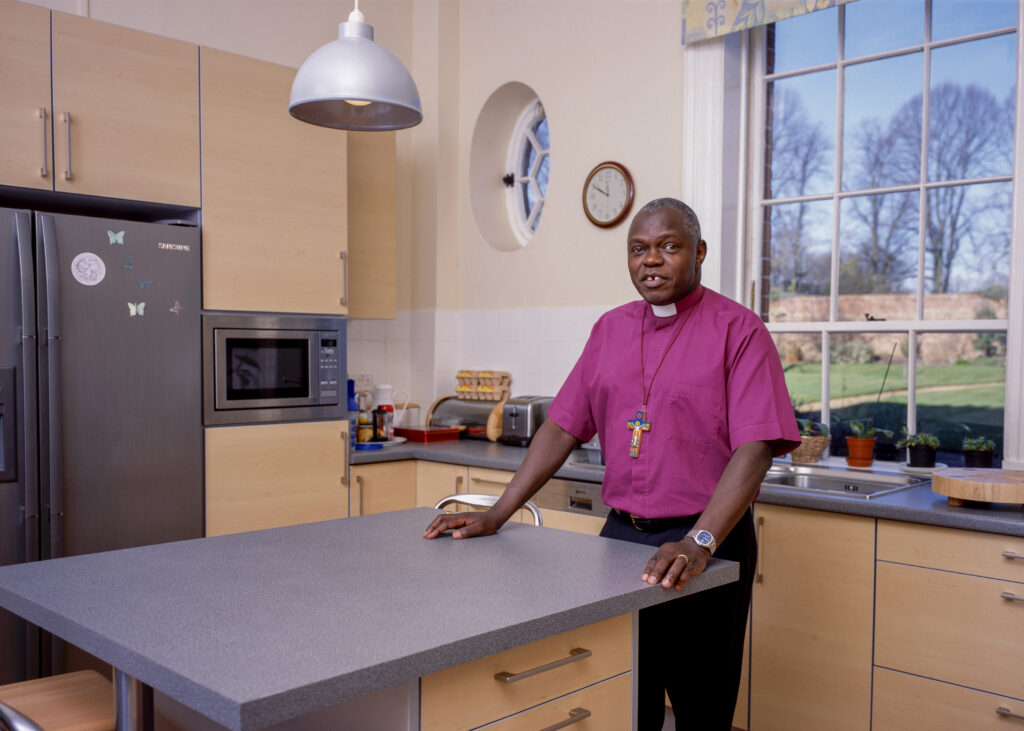
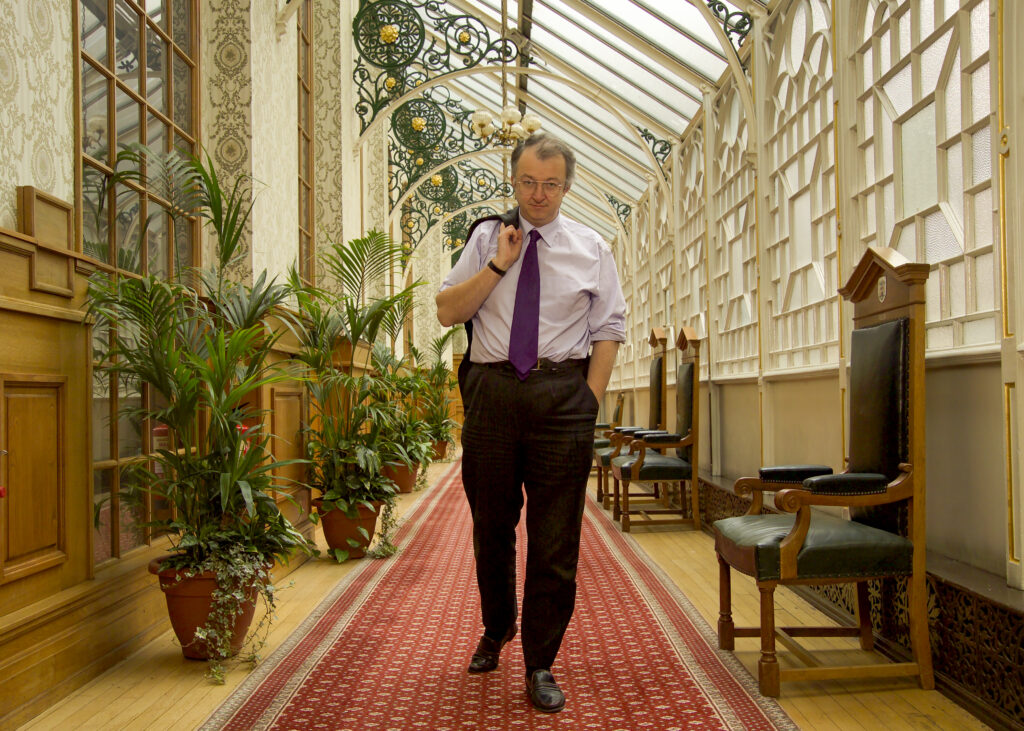
(Rt Rev Dr John Sentamu – Bishop of Birmingham 2002-2005}

Movers & Shakers – 20th Anniversary

Movers and Shakers – Faces of a changing city.

Photography exhibition – Symphony Hall  2005 – Lorentz Gullachsen

Portraits in Birmingham at the beginning of the 21st century .

( Image – Prof Carl Chinn, Historian, Author, broadcaster, Brummie)

In 2000 I was aware that my home city Birmingham  was going through a transformation that I wanted to respond to and celebrate, Birmingham was also hoping to get the City of Culture award  and so with the support of Pete James head of photography at Birmingham Central Library I started to photograph a series of environmental portraits of many who were changing the city.

The resulting collection of 100 portraits was exhibited at Birmingham Symphony Hall , opening in September 2005 and extended to April 2006, the exhibition finally seen by an estimated 60.000 and then became part of the Birmingham library collection and archive.

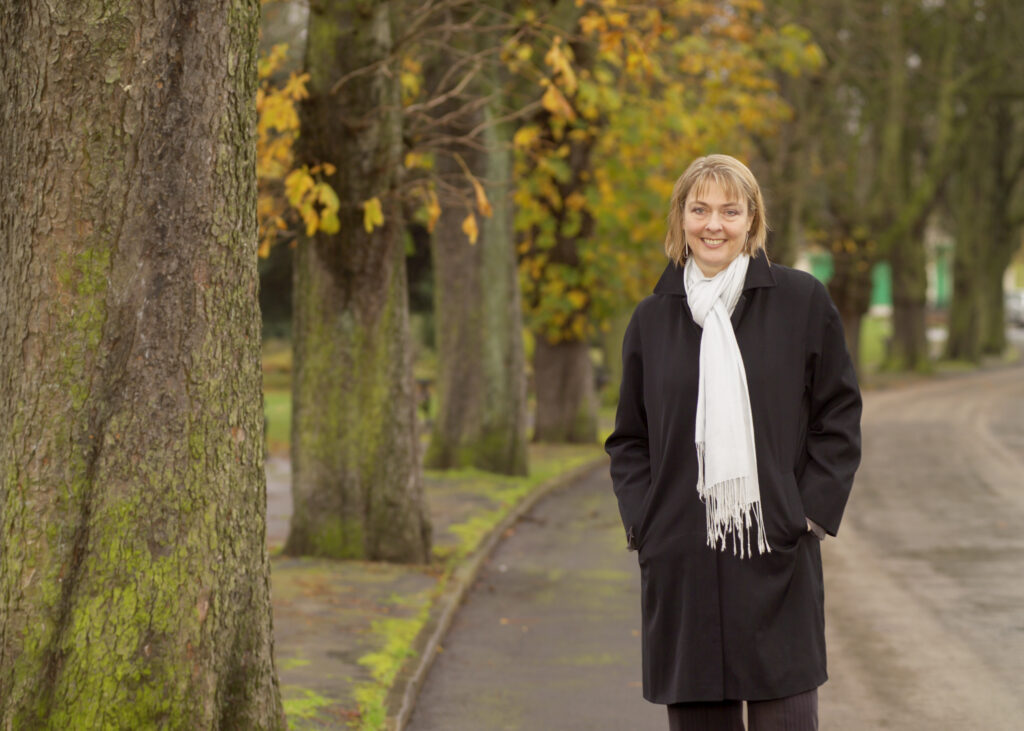
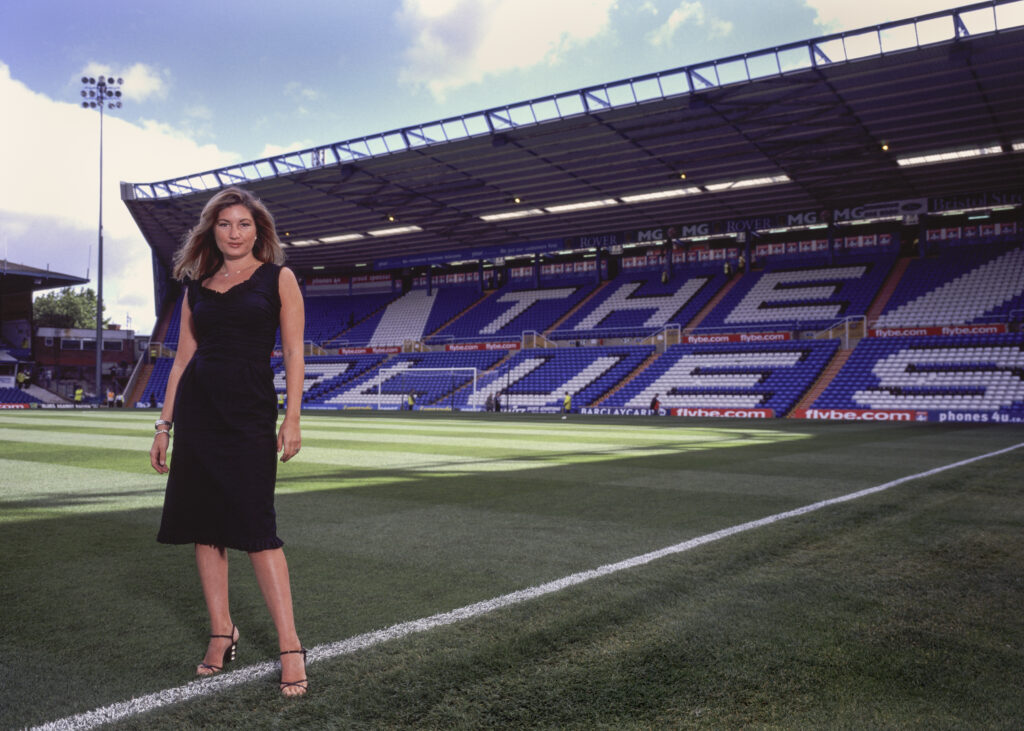
The subjects were invited to be photographed at a location that was relevant to them, and though the images were portraits they also provided a context and celebrated the history and contemporary environments of Britains second city.

The subjects were chosen to represent the change is the city and its diverse work and culture, it was originally aimed at helping the bid for the city of culture , but grew into a much larger project .

It was always intended to be shown to the public in an accessible location and the new Bull Ring that was under  construction was the initial choice, however costs and schedules made this difficult and the Symphony Hall became the host.

The initial number of subjects was going to be 50, but it became apparent that this would not cover anything like to number of subjects that needed to be represented. The target of 100 took 4 years to achieve as I was working mainly in London and abroad for my advertising commissions.

Nominations came from many sources, some were obvious choices like Prof Carl Chinn and the then bishop of Birmingham John Sentamu, the band UB40, Jasper Carrot and many key cultural players were chosen as well as Politicians and key community leaders.

I certainly missed many key people, and would have loved to continue the project and take the number to another century, but costs and logistics made that ambition impossible, my career continued heading toward teaching so  I went back to BCU to gain my MA and that changed my practice and my portrait work became the main area of practice.

The project was originally hoping the receive funding from Arts & Business , however this did not transpire and the cost of the project was something that I had to absorb, I was grateful for the great support and guidance that Pete James at the Central Library gave me and the help from suppliers such as Colin Alford and the amazing support from friends and family, however the expense was certainly a major issue that impacted my business.

It is now 20 years since the exhibition, the city has continued to grow and I am proud to say Brum is my home city, I am still photographing the Movers and Shakers in the city for commissions especially in the expanding financial sector and diverse projects.

The Movers and Shakers that are currently making the city of Birmingham a new hub for financial services as well as the great creative industry that has grown in the last few years, recent interest in TV and Film production shows that the UK is no longer London centric. I am now working not only with my usual corporate portraits for marketing and comms, but also actively seeking out the new areas of creativity and hopefully new subjects shall be found.

It would be wonderful to start the project again, ideally with a generous sponsor, the city has certainly gone through changes, there is an energy and vibrancy that makes Birmingham special, a city that has changed throughout its history sometimes with difficulty but it has always bounced back, it is the City of Movers and Shakers.

Movers and Shakers – Faces of a changing city – photography exhibition , Symphony Hall Birmingham 2005 -2006 photographer Lorentz Gullachsen

Subjects – included


Cannon Jermima Prasadam

David Bintley

Doug Ellis

Dr Brian Wood-Scawen

Sakiri Ormoro

Shefali Oza

Karen Brady

Adrian Bland

Adrian Goldberg

Andrew Jowett

Andrew McKenzie

Andrew Morris

Andy Howell

Barry Claverden

Bob Gilbert

Bernie Gray

Chris Monk

David Bucknell

David Amiss

Dorothy Wilson

Dr John Heeley

Dr P Mahendra

Dreadlock Alien

Ed Doolan

Fiona Alexander

Gary Taylor

Gisla Stuart

Glyn Purnell

Graham Vick

Ian Squires

Jim Crace

John Dowlan

Jasper Carrott

John Hemming

John James

John Overton

John Towers

John Watkinson

John Emery

Jonathan Bryant

Jonathan Watkins

Jonnie Turpie

Kalid Mohamad

Karen Brady

Karl George

Kay Cadman

Krysia Rozanska

Lynn Jones MP

Marcello & Kay Manca

Mark Ball

Mark Britell

Mike Whitby

Neil Rami

Nigel Craig

Paul Keynes

Paul Udende

Pete James

Prof Michael Stirling

Rebecca Bateman

Pia Ray

Remo Papini

Rev Jemima Prasadam

Richard Heard

Richard Burden MP

Richard Green

Richardson Bros

Roger Godstff MP

Ronda Wilson

Rt Rev Dr John Sentamu

Sakiri Ormoro

Sarinder Singh Sahota

Shefali Oza

Simon Topman

Sir Albert Bore

Sir Bernard Zissman

Sir Digby Jones

Sir Michael Lyons

Sir Peter Ripley

Sir Richard Knowle

Sue Battle

Sue Beardsmore

Tariq Ismail

Terry Davis MP

Tim Watts

Tindall Press

UB40

Uni of 1st Age

W Wing Yip

Gullachsen Furniture Company

Occasionally I receive an email from somewhere distant asking about Gullachsen & Sons the furniture makers, often they have piece of furniture with the name on and naturally they research on the google machine.

Yes, I am related to the Newcastle furniture maker and hopefully I can provide a little history of the firm and how I am a photographer and not a furniture maker.

In 1880’s my Great grandfather Lorentz Herman Gullachsen  ( 1846 – 1912 ) moved from Bergen, Norway to Newcastle on Tyne and established a Furniture making company initially it was called ‘Carnegie and Gullachsen’, it appeared to be very successful and the company also provided quality fixtures for the ships that were made in Newcastle’s Shipyards, the skills that my Great Grandfather had were learned in Norway but must have expanded into a large factory as there is evidence with advertising signs some of which still are the be found in the Beamish Living Museum .

The Initial company was a partnership ‘Carnegie and Gullachsen’ as there is a record in 1883 , by 1890 the companies had become split and Gullachsen traded as Gullachsen & Sons later.

In the 1920’s there was a fire at the factory and with the depression sadly the company cease trading, the sons, one was my grandfather (Lorentz Willoughby ) were then left without a job so initially became a landlord at the George in Macclesfield and then move south with his youngest son, my father.

My Grandfather Lorentz Willoughby Gullachsen  died in 1951 in Birmingham where he and my father Willoughby GUS Gullachsen had moved to before the War in 1936 .

My Father was apprenticed to a photographer then worked at a commercial studio in Birmingham called Siviter Smith, then went on to join the RAF as a photographer 1939-45. He enjoyed a long career as a theatre & tv stills photographer working in Birmingham till 2000 – he died in 2013.

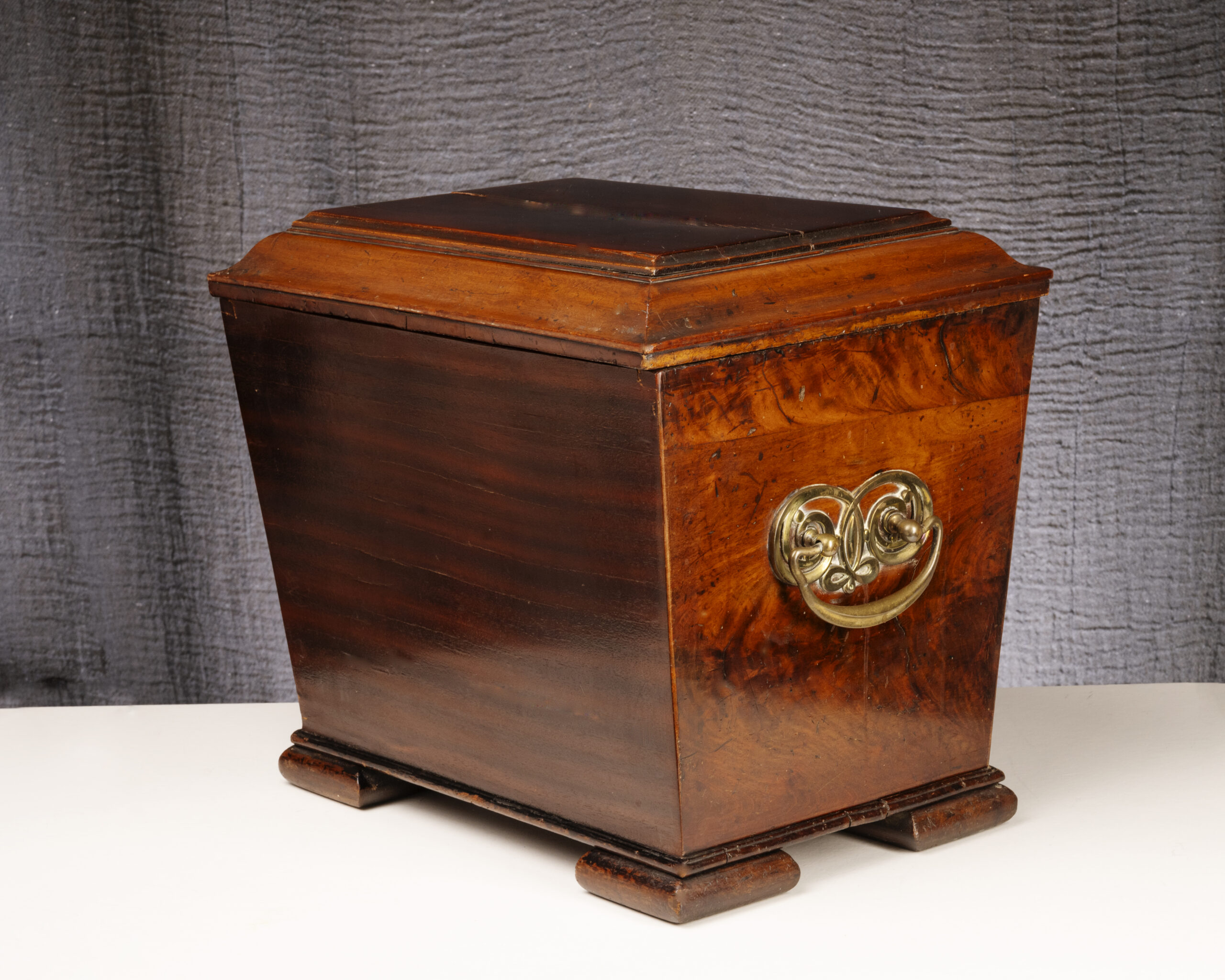
I still own a couple of Gullachsen furnishing pieces, one in my office is a secretaire  based on a chippendale design and the other is an art nouveau coal scuttle – I am not sure it was made by the company, but it was certainly my Grandfathers as it was passed down from my father.

I often wonder if the business had survived the great depression  my life would have been with the furniture business? But I know my passion for photography came about not because my father was a photographer, but because I became totally passionate about the art of the medium, I would take pictures whatever my ‘job’ was.

I am proud of my heritage and know that the name of Gullachsen shall live on even if its just on a number of old pieces of furniture?

Why Authenticity in Brand Photography Matters: A Personal Perspective from Gullachsen Photography

Runnning Gullachsen Photography, my mission has always been to capture the essence of my clients brand in the most authentic way possible.

In a world where consumers are increasingly sceptical of overly polished or staged content, the power of authenticity in brand photography cannot be overstated. It’s about connecting with your audience on a personal level, telling your story, and building trust. Here’s why authenticity should be at the heart of your brand’s imagery.

Authenticity Builds Trust

When people see authentic images, they feel a connection. They’re more likely to trust a brand that presents itself in a real, unfiltered way. As a photographer, I take great care in ensuring that the photos I create aren’t just aesthetically pleasing but also true to the values and personality of the business I’m working with.

Whether it’s capturing the behind-the-scenes process or showcasing the people behind the brand, these types of images make a brand feel more relatable.

Trust is the foundation of any successful business. When your customers can see the real people, values, and ethos behind your brand, they’re more likely to believe in what you’re offering. Authentic photography can humanise your brand, making it stand out in a marketplace where many brands rely on generic, over-edited stock images.

Showcasing the Story Behind Your Brand

Every brand has a unique story, and brand photography provides the perfect platform to tell that story visually. As a photographer, I don’t just focus on product shots or professional headshots – I aim to encapsulate the passion, the dedication, and the personal journey that defines a business.

For instance, if you’re a small café owner, capturing the process of your staff baking fresh pastries or the hands that carefully pour a cup of coffee can tell a story far more engaging than a simple photo of the final product. These authentic, real-life moments resonate with potential customers who are seeking brands that share values they can relate to.

Connecting with Your Audience on a Deeper Level

In today’s crowded digital space, customers want to engage with brands that they feel understand them. Authentic brand photography speaks to this desire for genuine connections. It’s easy to spot an overly staged photo, and when this happens, consumers are quick to turn away.

The photographs I create for clients don’t just look good – they evoke emotion. Whether it’s a photo that showcases the raw emotion of a moment or one that highlights the craftsmanship of your work, authenticity brings out the real story behind the image. This is why my approach to brand photography is so personal: I take the time to understand you, your brand, and your audience, so that the images truly resonate.

Authenticity Creates Longevity

When brands invest in authenticity, the payoff isn’t just immediate – it’s long-term. Authentic photography allows your brand to grow with integrity. I understand the importance of building a strong, consistent image that evolves as your business does. Stock images or overly staged photos may seem like a shortcut in the short term, but they lack the longevity that authentic images provide. Real photos adapt to the growth of your brand and can be used across different platforms for years to come.

Why Choose Gullachsen Photography?

As a one-man business, I offer a personal touch that you won’t get from many photographers. Every session with me is about collaboration – I want to understand your business, your story, and what makes you unique. Together, we can create authentic, powerful images that truly represent your brand.

With Gullachsen Photography, you’ll get more than just pretty pictures. You’ll receive a visual narrative that tells your story, connects with your audience, and helps you build a brand that people can trust and connect with on a deeper level.

Authenticity in brand photography isn’t just a trend; it’s a necessity. It’s about creating real, meaningful connections that last. So, if you’re ready to show the world the true essence of your brand, let’s work together to bring your vision to life through genuine and authentic photography.

If you’re interested in learning more about how authentic brand photography can benefit your business, feel free to reach out to me at Gullachsen Photography. Let’s start telling your brand’s story today!

The Power of Brand Photography for Small Businesses

In a world full of visual content, standing out as a small business can feel tough. Whether you’re a sole trader, freelancer, or independent brand, your online presence is often the first interaction customers have with you. This is where professional brand photography makes a difference.

Why Brand Photography Matters

As a photographer running Gullachsen, I know the power of a great image. It’s not just about looks. It’s about storytelling. The right photography shows your business’s personality, values, and professionalism in an instant. Whether it’s for your website, social media, or marketing materials, high-quality brand photography helps you make a lasting impression.
1. First Impressions Count
People judge a business within seconds of landing on a website or seeing a social media post. Poor lighting, low-quality, or generic stock images won’t grab attention or build trust. Bespoke brand photography, on the other hand, gives a polished and real look. It helps potential clients connect with you straight away.

2. Authenticity Builds Trust
Customers want to see the real people behind the business. Showing yourself, your workspace, and your process through professional images builds credibility. It makes your business feel more relatable. Real images of you at work, interacting with customers, or behind the scenes create a story that stock photography can’t match.

3. Consistency Strengthens Your Brand Identity
Every business has a unique story to tell, and consistency is key to reinforcing that identity. Professionally shot brand photography ensures your visuals match your brand’s colours, tone, and message. Whether you’re aiming for a modern, creative, corporate, or relaxed feel, custom imagery keeps your brand looking unified across all platforms.

4. Higher Engagement on Social Media
People are more likely to engage with and share posts featuring high-quality, real images. Social media algorithms favour engaging content, meaning professional brand photography can help boost reach and visibility. Strong visuals make your posts stand out in busy feeds and encourage interaction. This leads to more potential customers discovering your business.
5. Competitive Edge in Your Industry

In a crowded marketplace, businesses that invest in professional branding stand out. Many small businesses rely on DIY photography or stock images, but having high-quality, custom visuals instantly sets you apart. It shows potential clients that you take your business seriously and are willing to invest in excellence.

Investing in Brand Photography – A Smart Business Move

For small businesses, every investment needs to bring value. Professional photography might seem like a luxury, but it’s a crucial tool that pays off in the long run. The right images can lift your brand, attract your ideal clients, and help you build a strong, recognisable presence.

At Gullachsen, I capture the essence of small businesses through powerful imagery. My goal is to create visuals that tell your story, connect with your audience, and drive your business forward. Whether you need fresh website images, a social media content library, or professional headshots, I’m here to help bring your brand to life.

If you’re ready to take your brand to the next level, let’s chat about how bespoke brand photography can make a difference for your business.
Gullachsen is a brand photography service dedicated to helping small businesses create strong visual identities through professional imagery. Please contact me today for a free consultation on how I can help elevate your brand. A chat won’t cost you anything and I don’t do selling, I want to help businesses reach their full potential with the Brand communication using the power of photography and video.

How to commission a headshot photographer for your company

So you have the task of organising the photography for your companies headshots, the website needs refreshing and everyone could benifit from a new Linkedin portrait.

Where to start?

Pick a date ideally at least two weeks ahead that you can get everyone in the office, it maybe a meeting that is already scheduled when most teams are in.

This is when you ‘pencil’ your photographer, that is hold the day but not confirm, till you have feedback from all as that  the date is good!

Once you have a photographer ‘pencilled’ book the space that the photography is to be done, this is important, many offices will have a suitable space, a meeting room or leisure space, but it important to have the following .

  • 4 metres x 4 metres minimum clear space.
  • Neutral colour – white or grey ideally.
  • A ceiling 2.5 metre height
  • Controlled light – ie ability to turn off the lighting in the environment
  • Control of any daylight – blinds- curtains

These are what is ideal, however I have certainly worked in very challenging locations, but with experience and bringing the correct kit, it is possible to work in small rooms and existing lights, but it is always good to have a 121 with the sitter, any distraction shall impact on the final result, so having a room dedicated to the portrait photography is going to make the experience and results much better especially for those who are reluctant models.

Make sure everyone knows that is the day when they are to be photographed and it is a requirement not a suggestion. I am sure there are acceptable ways to communicate that, but there shall be many who are less than happy to be photographed. Having notice allows those to book a hair appointment and maybe even buy a suitable top?

If you have a dress code, uniform or brand style this is when you need to have that all in place, on the day it is best to have some spare new tops, or what is usual so there are no excuses, nobody looking like a sore thumb with a track suit top or worse.

A professional office such as a law or financial firm may have a very relaxed dress code, but it maybe a good idea to agree what everyone wears, nowadays, I often shoot a subject with a Suit, shirt and tie, and then a more relaxed open neck and casual top. Tell everyone this is an option if it is, communication and decent notice is key.

Hair and make up – I usually have a mirror and basic make up requirements such as tissues etc, I can provide a hair and make up artist , however this greatly increases time and cost, but it maybe a consideration with certain personal and use of the images. This is something to discuss early on with the photographer.

Could your  headshots session  be part of a day that an event is planned, maybe a training Day?

Is It something you may want to consider if the day is dedicated to an event where there is a treat for all, pamper day or a celebration of a big win. The headshots can be just part of that day and make it fun! A buffet for all?

Agree with your photographer what background colour you want, and also the style, I shoot in many ways, appropriate to the type of business and how the brand is communicated, a certain brand palette may dictate a background, especially if there are already images that are in place, international companies shall need some guidelines for those abroad.

If there is a new website or a brand change, maybe this is where you involve the photographer, I often do a test shot to establish a style, I present a few options and with Marketing & Comms a look is established.

Time for the photography.

The photographer should be set up at least 30 minutes before the first subject is scheduled, even with a slick pop up background, and state of the Art lighting, it takes time to set up, the first subject can be you, so the photographer can test the lights and ensure all is working. Then the fun can begin.

I have shoot thousands of headshots over the years and it is possible to produce an image very quickly, however it is important to produce portraits rather than quick headshots, so ensure there is time to produce a good number of variations for each subject, there are no rules, but I suggest at least 15 frames of each person will produce one great likeness, a few shots, with blinks, nerves and with the tension means that you shall be lucky to deliver a great shot, it maybe OK but this image shall be seen every day and the person should be happy with the result .

I recommend at least 7 minutes with each subject, ideally 10 -15 minutes.

If you are organising a schedule, there is ideally some flexibility, especially if someone has a call or can’t arrive because of transport.

Produce a subject list, with their times, and give the photographer a copy too. A print out so it is easy to tick off, make notes and find out who is missing!

How to select the final headshot?

I can only speak for myself, but I need to take a minimum of 10 images, but it can be many more, I usually know when I have a great shot ‘in the bag’ but I shall have many back up shots that can be chosen even a fast shoot.

The proof images shall be sent to the client via delivery system such as WeTransfer and then the best shot is selected , ideally the low res proof  images  be presented to the subject, so that they can select and  ‘own’ the image, if time or shear numbers prevent that the  selecting of the final image  image  can be done, but it works best when the subject is involved in the process.

I am certainly happy to edit and select the best image, but it is subjective and should only be done when time is an issue.

The selected image is then processed and retouched, this can include cleaning up stray hair, dust on clothes and certainly improving skin , I try not to use filters, but do what a good make up artist would  do, accentuate the best and hide what you ideally would not have, that spot that appeared on the day of the photo shoot.

This final image is then sent to the client at full size high definition and then send a smaller , web-sized image is also sent so the image can be used for social media easier.

That is usually the end of the process, except then an invoice shall be sent, with certain companies, the accounts dept have to get you onto the system, with certain international companies that can be a great deal of effort that the client does not want, therefore I provide card payment facilities that can hopefully help the process.

The images are then licensed usually for 10 years, the copyright is the photographers according to British Law, I advocate this system as it actually protects the subjects, as a photographer is able to prevent third party use, something that a company may find difficult but that is a rare issue.

So if you need to organise a headshot photographic session, hopefully you shall call me and if I am unavailable, I have a number of trusted fellow photographers that I can recommend, so please call or email when you need those headshots.

The process can be easy, fun and succesful just ensure you use an experienced professional photographer and hopefully this information will help.


Lorentz Gullachsen


Why is your Linkedin Headshot important ?

Linkedin Headshot

Why is your Linkedin Headshot important?

Having a presence on Linkedin is something that most business people should do, even as an undergraduate you are encouraged to start with a basic listing.

Why?

Why Not!

Linkedin is the major platform where business and careers is at the heart of what it is about, it the place people go to find jobs and business connections and at present it is free .

If you want to connect to potential clients or just get hired, your Linkedin listing is possible the first time you are seen by the ‘potential’ so what do we know about first impressions?

They count!

As in life we rapidly make judgements, we are not been shallow, its just that what someone looks like tells you so much about them, 7 seconds is all it takes, but it is usually less although we have to remember that you ca’t judge a book by its cover.

However, if you are interested in progressing your career, gaining new clients, you do want to make a good impression, don’t you?

On your Linkedin page you have the opportunity to show a great headshot, but also every communication on the platform uses that as an icon for you, so it has to be good!

This can be where it gets tricky, the image is very small, so it has to be ‘simple’ it is just your head and a bit of your shoulders, however it should be of decent resolution and ideally well lit.

Even is that small round frame your expression can be read!

Should you smile?

That is up to you, what is your personality? Are you an artistic or creative type, are you very precise? Do you have authority ? Are you well organised?

It sounds like a tall  order, but a good headshot can project the person you are or maybe want to be?

One thing is for sure, you don’t want a busy or distracting background, not trees growing out of your head or a colour that distracts.

If you are with a company and there are brand guidelines for staff it maybe there is a guide,

Colour or Black & White?

Many headshots are now delivered in Black & White, if well executed it can be a great way to stand out, however it may indicate it was taken a long time ago and you are not what you seem?

What Background

If you have a Brand colour or style, that can dictate the background, but a neutral white or grey are most effective, a black can be very good, but on a poor screen it can be too low key.

Deliever a

A portrait photographer should be able to take your photograph and deliver an image that does represents you and who you are, however if you don’t have the budget ! Here is a suggestion

Take your own headshot.

As a professional photographer it is not something I should recommend, however it is better to have a headshot on your Linkedin profile than not, so here are a few handy tips.

Stand with a plain wall behind you.

Get someone to hold your phone ideally a couple of meters away on the long/ portrait lens, have them stand in-front of a window, so the light is behind them and hold the phone at eye level or slightly above, avoid looking under your chin (or Chins).

Take many shots, 10 is a good start, start with a serious face then smile and then laugh, in one you are going to look OK, some you blink, some  will look like a stranger and one you will think is OK.  Delete any you don’t like, you don’t want them again do you?

If you are unable to get a friend to take the shot, at least get a plain background, stand in the shade if you are outside or look toward a window, hold the phone up and away maybe with a timer shoot many shots. Repeat.

Writing the profile is another matter, but now you are a real person and not an avatar!

Whatever you want from Linkedin I wish you well and maybe we can connect or follow me ?

Lorentz Gullachsen – linkedin